ACLC introduces new members
4 March 2026
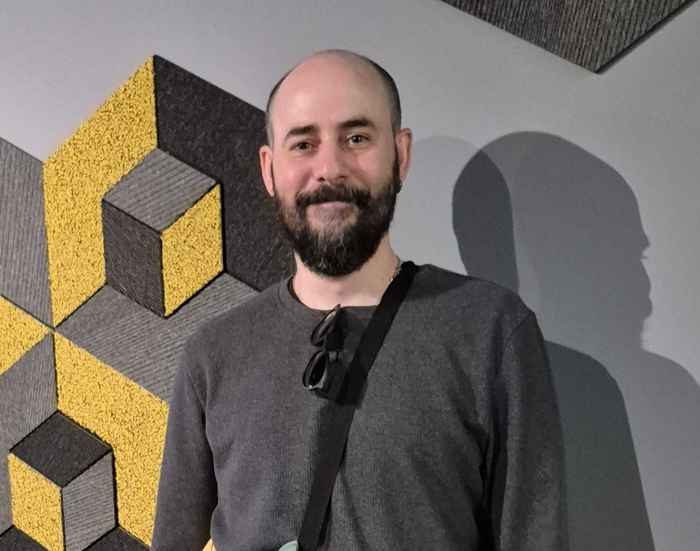
Afon (Mohammad) Khari will soon start his research on language and academic achievement as part of the project Watching Our Language: Curriculum innovations for language equity and academic success, led by prof. dr. Sible Andringa.
Afon holds an MSc in Brain and Cognitive Sciences from the University of Amsterdam and has an interdisciplinary background spanning cognitive science, philosophy (MA), and English Language and Literature (BA), alongside over fifteen years of experience in teaching English for Academic Purposes in higher education.
At ACLC, he will work on a PhD project within Subproject 3 (Language and Academic Achievement), under the supervision of dr. Sybren Spit and dr. Josje Verhagen.
Afon’s research focuses on how students’ language backgrounds, language of instruction (Dutch and English), and curriculum characteristics jointly shape academic achievement in Dutch higher education. He will combine large-scale administrative and curriculum data with in-depth studies of students’ lived academic experiences when studying in a non-native language. Methodologically, his work integrates big-data analysis, causal inference using directed acyclic graphs (DAGs), and targeted qualitative and experience-sampling approaches to better understand how language-related demands and curriculum support affect learning trajectories and equity in higher education.
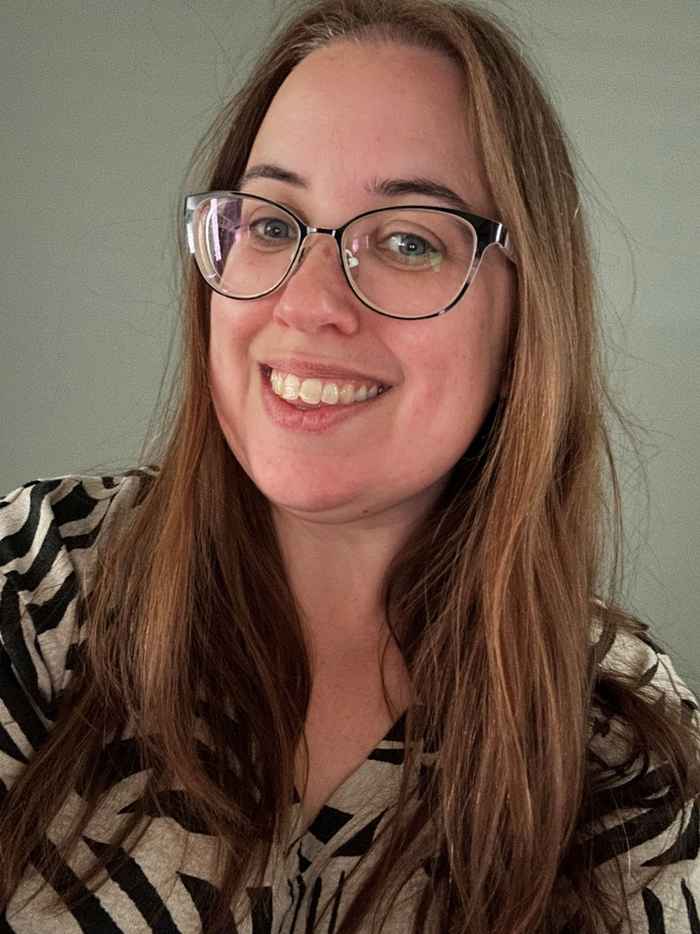
Linda de Mos holds an MA in English Language and Culture from Leiden University and has nearly 15 years of experience as a lecturer in Business English and Communications at Rotterdam University of Applied Sciences (RUAS). She currently works as an educational advisor (onderwijsadviseur) at RUAS.
Her PhD project, Developing Intercultural Feedback Literacy: Theory, Interpretation, and Lecturer Development in Higher Education (working title), examines how feedback practices are influenced by (implicit) language norms, cultural interpretations, and institutional contexts. Through exploratory research and multiple case studies within professional learning communities at RUAS, the project aims to refine and validate a conceptual model of intercultural feedback literacy. In addition to its theoretical contribution, the research has a practical focus as well; with the development of an evidence-based training programme for lecturers in higher education.
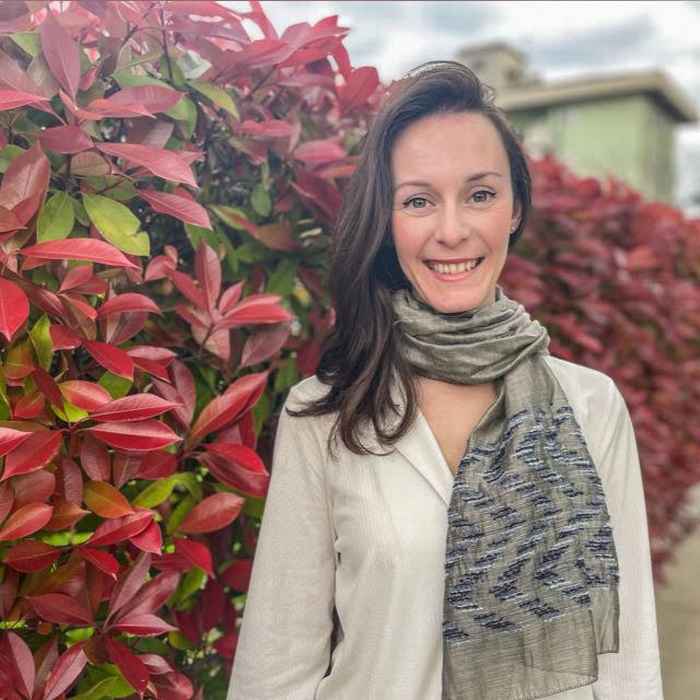
Daria Evangelista is a postdoctoral visiting researcher at the University of Amsterdam. As part of a two-year Postdoc Mobility grant awarded by the Swiss National Science Foundation, she conducts research on climate crisis awareness-raising discourse in Italian, as addressed to the general public by the media and institutions, through the lenses of rhetoric, argumentation theory, and text linguistics.
She holds a PhD in Italian linguistics from the University of Basel (Switzerland). Her recent publications include the monograph La legge ornata. Un’analisi dei testi normativi tra retorica e linguistica del testo (Edizioni Dell’Orso, Alessandria), which investigates the pragmatic and textual functions of rhetorical phenomena in normative texts, as well as a theoretical article titled “Metaphors in Persuasion and Argumentation: A Theoretical Systematisation at the Intersection of Rhetoric and Textuality with Examples from the Climate Crisis Discourse” (Topoi, Springer).