Six thematic lines of research central to Faculty impact policy
21 January 2026
The first four lines of research are directly linked to the national sector plan for the humanities, in which Dutch universities have agreed on their allocation of tasks and profiling. The government has made funds available for this in 2023, which have been used to appoint several postdocs and assistant professors in recent years. Although the Schoof Cabinet has largely reversed the investments, the substantive focus remains unchanged. The last two lines of research were established and further developed as bottom-up initiatives from within the Faculty. Based on the AIHR investment agenda, research schools will receive additional funding in the coming years to support initiatives for new thematic collaborations.

scrutinises the development of AI technology, with the aim being to place the focus on human values and cope with unexpected effects of AI models and steer things in the right direction in a timely fashion.
Faculty lead: Thomas Poell

addresses how platformisation and AI are reshaping the architecture of our daily lives, and how we can reclaim our democratic public space through critical methods and an ethic of care.
Faculty lead: Esther Weltevrede
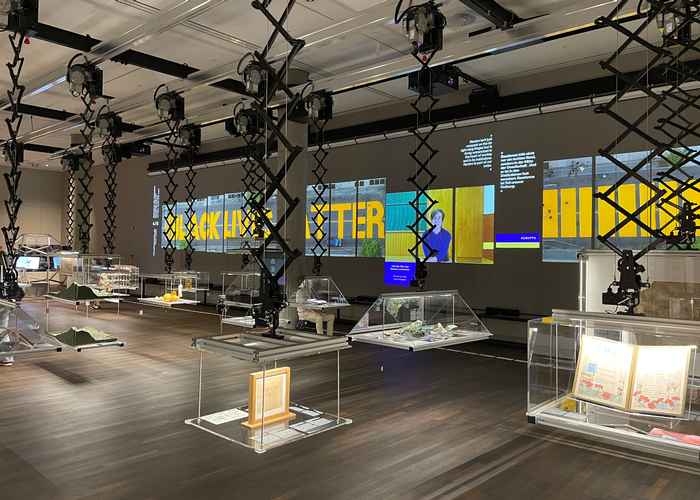
reflects on the political use of heritage and develops strategies together with social partners in order to facilitate public debate.
Faculty lead: Chiara De Cesari

brings together language and literature experts who examine how language shapes identities and maintains or dismantles power structures, and is committed to building a society that fosters strong language and literacy skills.
Faculty lead: Sible Andringa
On 29 January, the official kickoff of this theme will take place in the workshop space of the Amsterdam Humanities Hub.
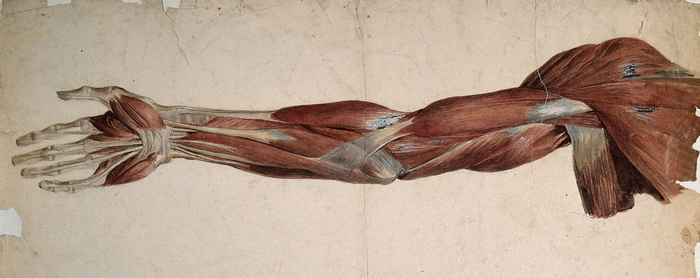
meets the growing need for creative solutions to the increasing demand for care in ageing societies, where expertise in the humanities is useful to the cultural context of health.
Faculty lead: Manon Parry
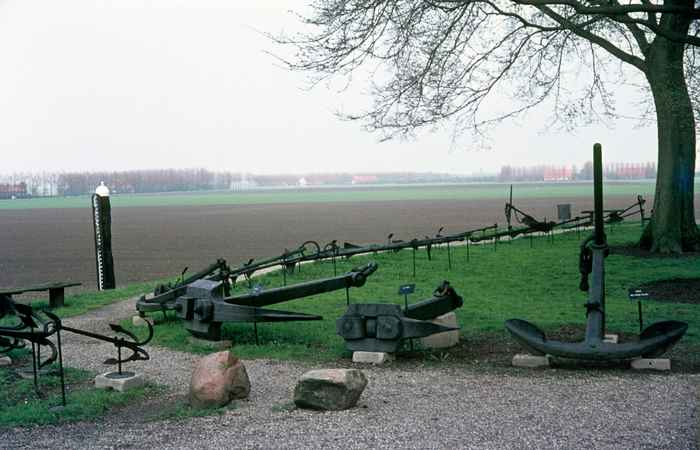
investigates how the relationship between humans and nature has developed over time, including themes such as energy policy, food transitions, knowledge of nature and water management.
Sign up for the E&S newsletter
Faculty lead: Peter van Dam
Julia Noordegraaf, research director AIHR: 'Working on thematic lines of research related to urgent social issues is essential to ensure sustainable access to funding and to effectively translate research results into concrete, socially relevant solutions. This will enable us to increase the visibility and social impact of humanities research and strengthen our position in the public debate.'

We can increase the visibility and social impact of humanities research and strengthen our position in the public debate.Julia Noordegraaf, research director AIHR
The research landscape is being broadened with initiatives for interdisciplinary collaborations: with colleagues from both within and outside the Faculty, nationally and internationally, and also with external parties to an increasing extent. In collaboration with the Faculty impact team and within the Amsterdam Humanities Hub, we are actively seeking (strategic) partnerships in various forms of collaboration. The AIHR is using the experience gained to develop a menu that can be used by all researchers in the Faculty to develop new thematic collaborations.
The thematic lines of research will also strengthen the link between research and teaching. ‘The aim is to offer all students the opportunity to gain research experience in projects with social partners at least once during their studies’, says Sabine van Wesemael, director of the Graduate School of Humanities. ‘One example of this is the embedded research project within the Master’s in Cultural Data & AI, which is fuelled by the research priority area Humane AI’. When drawing up their visions for the future, the AIHR, the College and the Graduate School aligned their views on project-based, theme-oriented and environment-oriented education.