Records in the Nineteenth-century Literary Imagination
- Date
- 7 May 2026
- Time
- 17:30 -19:00
- Location
- P.C. Hoofthuis
- Room
- PCH 104
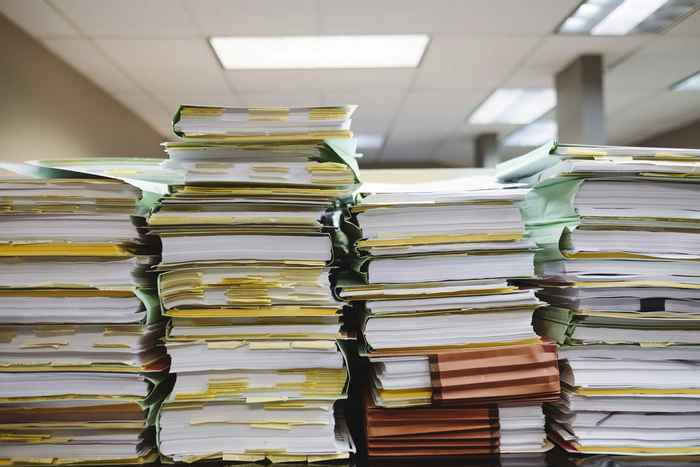
In the monumental study English Archives: An Historical Survey, Richard Olney describes the nineteenth century as the beginning of ‘The Age of the Archivist’ (2023: 171). This period saw the formalizing of record-keeping structures and bodies, such as the Public Record Office in Britain, as well as conceptions of best practice in record-keeping: the first archival manual, the Manual for the Arrangement and Description of Archives [Handleiding voor her ordenen en beschrijven van archieven] by S. Muller, J. A. Feith and R. Fruin, was published in the Netherlands in 1898. This talk will explore how this growing consciousness of the importance of records and their preservation is translated into nineteenth-century literature. We can all call to mind many examples of letters and wills acting as pivotal instruments in the plots of novels from the period, but we don’t often stop to consider the function of these documents as records in a legal and archival sense. In this talk, I will bring archival theory into conversation with selected case studies from nineteenth-century literary writing to examine what I see as a growing obsession with records, recording and record-keeping in the period; and one that still influences present-day practices and conceptions of records, archives and their roles.
Dr. Flore Janssen is Assistant Professor in Comparative Literature at the Universiteit Utrecht. Her research focuses on the long nineteenth century and she is particularly interested in representations of marginalization and histories of activism during this period. Her work is strongly rooted in archival sources and contexts and she completed an additional graduate qualification in Archives and Records Management in 2021. Since then her research methodology has increasingly embraced archival theory. This talk is part of her new and developing book project on archives and records in the nineteenth-century popular imagination.