Breathing the Industrial City: Work, Memory, and Everyday Life in Elefsina (Western Attika, Greece)
- Date
- 27 February 2026
- Time
- 15:30
- Location
- P.C. Hoofthuis
- Room
- PCH 104
Supported by: The Humanities Faculty, ASCA, the department of Modern Greek Language and Culture of the University of Amsterdam, and the Dutch Society for Modern Greek Studies (NGNS)
Abstract
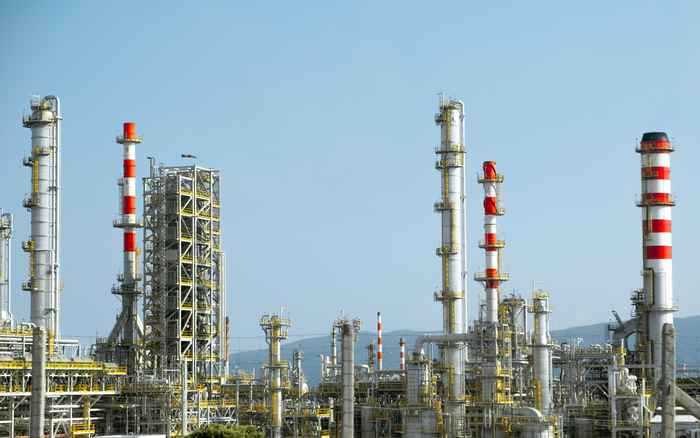
“Eleusis [Elefsina] is a small, pretty town with a large industrial and social traffic […] it is a great industrial center, which is the cause of its massive development. It is not a small rural town with a slumbering life under skies of imaginary bliss. On the contrary, it is the focal city, the core city. Here you can breathe even better, more fully, with greater ease and greater pleasure” (From the documentary Anazitontas ton chameno chrono [In Search of Lost Time], based on archival footage from April 1930).
Over the course of a century, the city of Elefsina in Western Attika changed from a rural settlement into an industrial city shaped by heavy industry. This shift generated social and cultural tensions that mirror the contradictions of industrial labor and everyday life. These tensions are part of a broader industrial culture, reflected in the above cited documentary accounts, which frame industry as a rupture from a slower rural past and as a promise of renewal and change. Focusing on everyday life in Elefsina beyond dominant representations that emphasize either its archaeological past or narratives of industrial decline and pollution, I engage with how work, memory, and social relations are lived, negotiated, and narrated in an industrial city. This project draws on ethnographic encounters, oral histories, and visual material generated through different phases of deindustrialization in Elefsina, developed within a long-term collaborative framework that I continue to engage with personally. Industrial culture is understood not only as material heritage or urban remains, but as an ongoing relationship between people, places, and immaterial forms of experience.
Bio
Regina Mantanika holds a PhD in Social Anthropology and Sociology from the University Paris 7 Diderot – Sorbonne Paris Cité, where she researched the transformations of the migratory landscape in Greece, focusing on border areas and port cities. Her research and teaching interests include migration and space, borders, institutional change, urban exclusion, and the intersections of mobility and settlement.
More recently, her work has centered on Elefsina, examining its industrial culture and de-industrialized present.