Dissident Theorizing: Framing a Nonideal Metaphilosophy
- Date
- 24 September 2026
- Time
- 17:00 -18:30
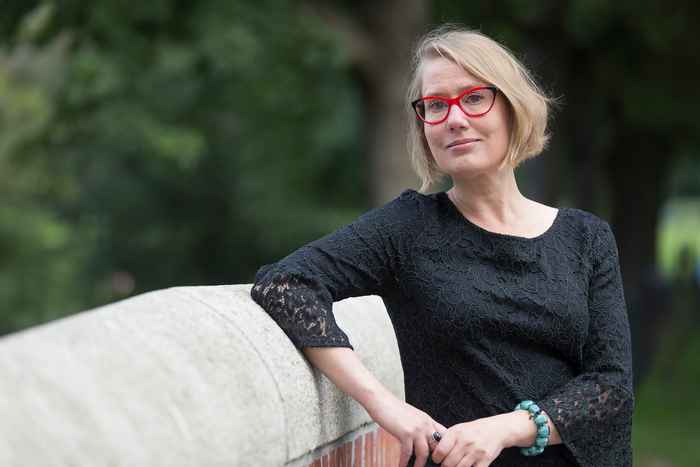
Dissident Theorizing: Framing a Nonideal Metaphilosophy
The talk introduces a part of an in-progress book manuscript with the above title. The book aims to develop and demonstrate a community bridging and overarching way philosophical theorizing in the analytical tradition can be framed with (what I call) 'dissident' nonideal insights, where such theorizing is understood as a normative social practice. Background to the book: Some philosophers implicitly or explicitly take themselves to be dissenters and ‘outlaws’ relative to more traditional investigations in challenging established philosophical assumptions and ideas. Notably, they include philosophers working under the banner of nonideal theory (feminist philosophy, critical theory with Marxist and left-leaning tendencies, critical race theory, some pragmatist approaches). Part of nonideal thinking holds that interventions in traditional debates made from historically marginalized philosophical perspectives are valuable in that they add something to those debates that would otherwise be missed. However, self-professed nonideal theorists seemingly aim to do more: not merely to show how various debates could be enriched by additional perspectives, but to demonstrate how the ways in which we engage in philosophical theorizing should be rethought. Still, despite the existence of a sizeable literature on the difference between ideal and nonideal theory, there is considerable lack of precision on key issues: What exactly is nonideal theorizing as a methodological outlook in philosophy (if anything at all)? What are its basic precepts and methods? What are its supposed philosophical benefits and how can they be harnessed? Despite self-proclaimed adherence to nonideal outlooks, e.g. feminist philosophers (my earlier-self included!) have done little systematic work to specify what nonideal theorizing methodologically involves apart from attending to real-life unjust circumstances. Although making philosophy more “this-worldly” is highly desirable, existing positions fail to comprehensively and methodically analyze how nonideal insights improve traditional tools and ways of theorizing (e.g. how they may improve conceptual analysis, reliance on intuitions, thought experiments). To make headway, we need a better understanding of nonideal theorizing as a methodological perspective, which is what the book aims to do.