After the Revolution: Memory, Psyche and Struggle in Sudan
Speakers: Mohamed Khougali, Dr Christopher Frattina, Dr Azza Aziz (London-based), Saffa Khalil | Chair and respondent: Professor Mikki Stelder | 3 December 18:00-19:30 hrs, Location t.b.a.
Event details from: After the Revolution: Memory, Psyche and Struggle in Sudan
- Date
- 3 December 2026
- Time
- 18:00 – 19:30
- Room
- Kartini Room
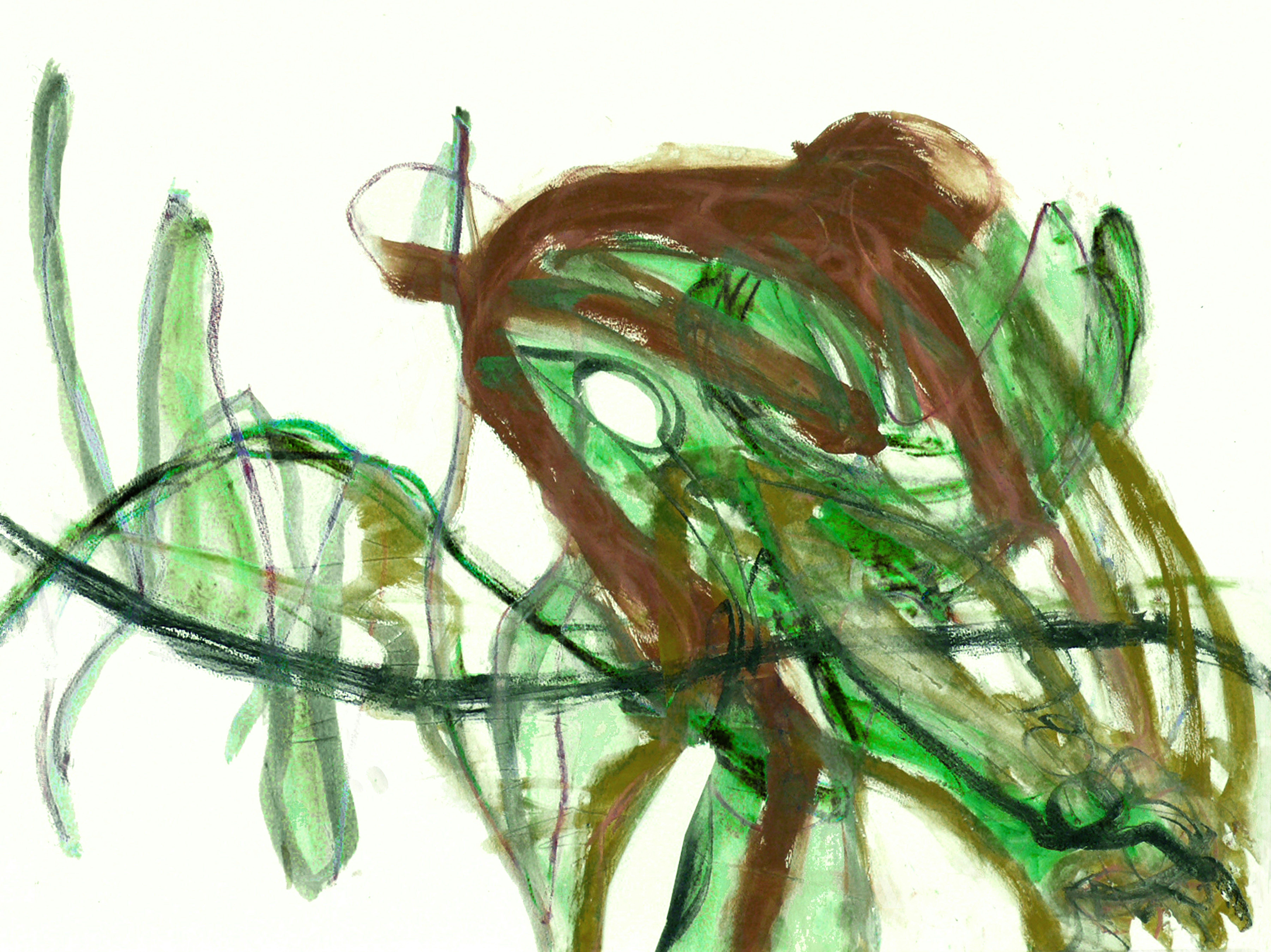
What happens to a revolution's participants once the revolution has been co-opted? What is happening to leftist politics at a time of incredible change? In this lecture, Mohamed Khougali draws on his new book, Politically Unconscious: The Psychic Aftermath of the Sudanese Revolution (Iskra Books, 2026) to explore these questions. Mohamed is not a conventional academic. He is a writer, revolutionary, and a psychotherapist who took part in Sudan's 2018–19 uprising.
Khougali deftly traces how the hopes and losses of the revolution live on in the present moment. He looks at how they persist in the war devastating Sudan, and in the racialised financial interests behind its armed factions, and in the inner lives of those who organised for another future. He explores how capitalism 'deposits' its contradictions in the marginalised and alienated, where it compounds as violence and malaise. He places Sudan within a longer "irrational revolution" linking Khartoum to Darfur, and Sudan to Palestine, through shared circuits of imperial accumulation and waste.
The lecture asks how revolutions are remembered, mourned and carried forward, and what their psychic remnants do politically. It is followed by a response from Dr Christopher Frattina (Utrecht University), Dr Azza Aziz, and Saffa Khalil (PhD Candidate, Erasmus University, and an open discussion.
PROGRAMME (assuming a 15:00 start)
15:00–15:10 Welcome and introduction
15:10–15:55 Lecture by Mohamed Khougali
15:55–16:10 Response by speakers
16:10–16:50 Open discussion, including students' submitted questions
16:50–17:00 Closing remarks
STUDENT ASSIGNMENT (1 ECTS)
NICA affiliated RMA students can receive 1 ECTS if they:
1. Read the book's introduction and one chapter, chosen from its three strands: the revolution and the Sudanese Left; war and accumulation; or praxis psychotherapy (about 8 hours). I think that Iskra Books makes free PDFs of its titles available.
2. Read two secondary sources on memory, trauma, or revolution (about 4 hours).
3. Submit two discussion questions at least 48 hours before the lecture, one on the chapter and one linking the book to their own research (about 1 hour).
4. Attend the lecture and discussion (2 hours).
5. Within 14 days, write a critical review of 800 words covering the chapter's argument, its link to the lecture, a dialogue with at least two academic sources, and an assessment of its strengths and limits (about 13 hours).