
Empowering Language

Empowering Language unites language and literature researchers committed to building a society that fosters strong language and literacy skills and that allows people to express themselves, expand their horizons, learn about new ideas, challenge old ones, and weigh information critically. Empowering Language is an interdisciplinary and collaborative platform that aims to uncover how language works, shapes individual and cultural identities, and perpetuates or dismantles structures of power and inequality.
Languages and literacies are intertwined with power. They shape who is heard, who has access, and who is left behind. They offer people tools to participate in the worlds surrounding them but simultaneously shape the way these worlds can be understood and organised. In our multilingual and information-driven society - marked by the rapid rise of large language models and pressures on literacy, people need skills to analyse, question, and challenge representations and ideas conveyed by a diversity of languages and text types. Addressing these challenges will require interdisciplinary reflection on how languages, literatures, and literacies function, as well as meaningful partnerships between researchers and societal stakeholders. Empowering Language integrates research, education, and society to understand the powerful and empowering functions of languages, literatures, and literacies.

Van leesplezier naar literair onderzoek: het succes van LitLab
Hoe maak je literatuuronderwijs uitdagender, relevanter én leuker voor middelbare scholieren? Negen jaar geleden gingen UvA -onderzoeker Feike Dietz en collega's van verschillende universiteiten met die vraag aan de sla...
Geletterdheid en een tweede taal leren: hoe werkt dat?
Hoe verloopt de ontwikkeling van een tweede taal bij mensen die niet hebben leren schrijven of lezen? Sible Andringa, hoogleraar didactiek van de tweedetaalverwerving, probeert hier een antwoord op te vinden met het proj...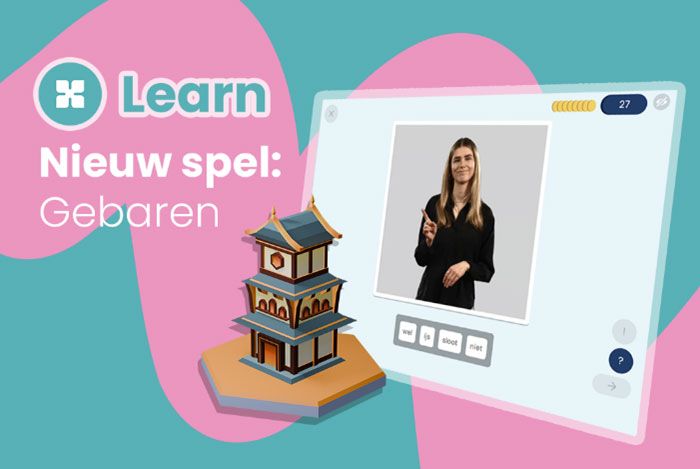
SignLab Amsterdam launches sign language game for children
Nowadays, deaf children are increasingly attending mainstream schools instead of special needs schools. If all schoolchildren know some sign language, it will be much easier and more enjoyable for deaf children at mainst...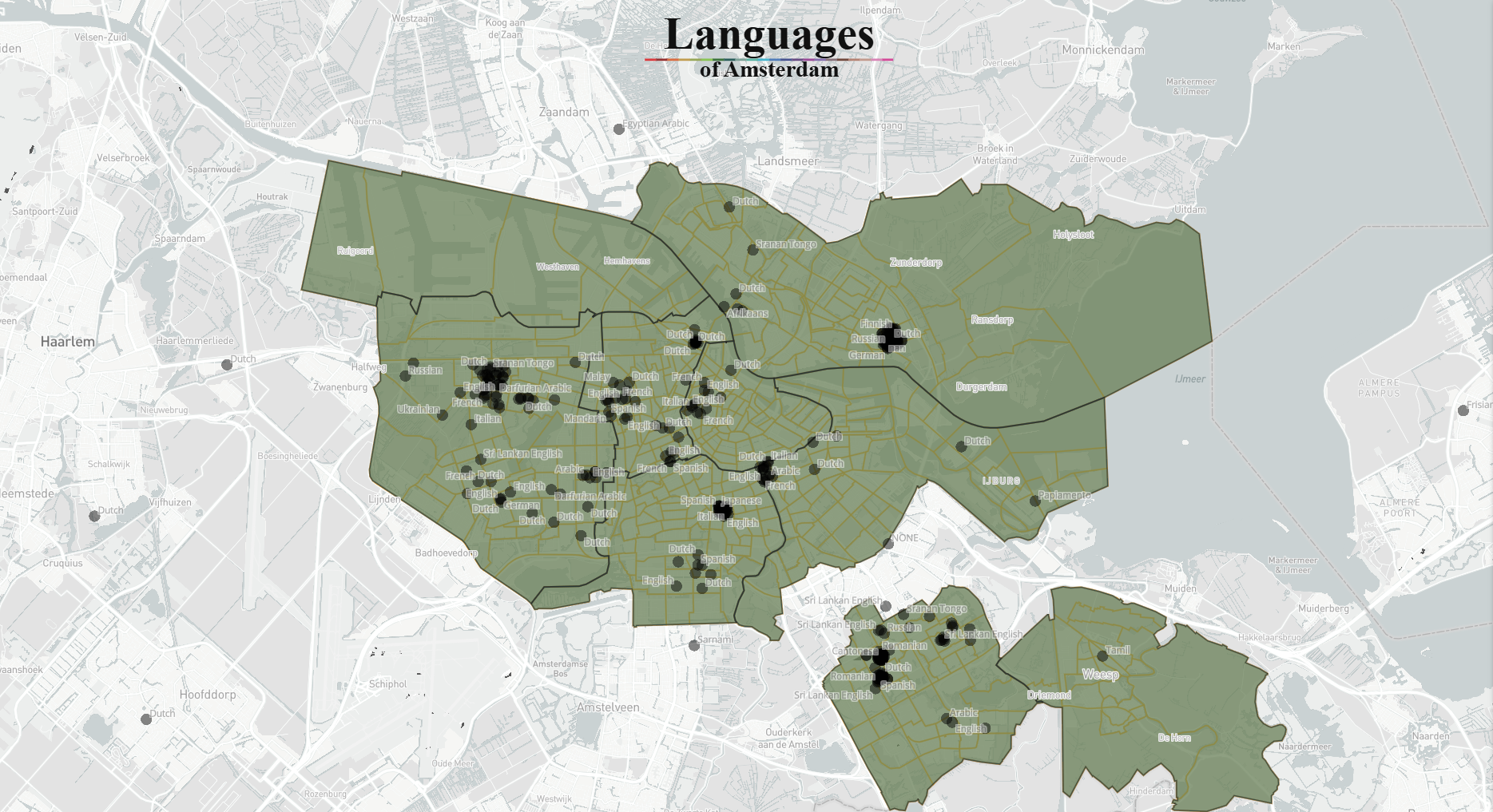
Digitale talenkaart van Amsterdam visualiseert meertaligheid van de stad
Amsterdam kent een grote culturele en taalkundige diversiteit, maar systematische gegevens over de talen die in de stad worden gesproken ontbreken grotendeels. Het project Meertalig Amsterdam, gecoördineerd door taalwete...
Taalwetenschappers zetten Nederlandse accenten op de kaart
Voor het eerst is in beeld gebracht hoe Nederlanders verschillende regionale accenten waarnemen. Deelnemers werd gevraagd op basis van korte audiofragmenten aan te geven waar ze denken dat een spreker vandaan kwam. Het r...
Retorica als wapen tegen misinformatie
Met het gebruik van AI-modellen als ChatGPT is het creëren van tekstuele content makkelijker dan ooit. Deze informatie klopt lang niet altijd, maar kan wel heel overtuigend worden gebracht. Hoogleraar Cognitie, communica...
Join our mailing list
If you are interested in joining us, please fill out the form to be added to our mailing list to be notified of upcoming events.
Are you thinking of organising an event in the field of empowering language? Let us know! Send an email to Sible Andringa at s.j.andringa@uva.nl.
Research themes
Building Critical Literacy
Critical literacy is the ability to actively analyse, question and challenge texts and media. It enables people to uncover prejudice and power dynamics, and to promote inclusivity and equality. How can we support people in enhancing the critical reading skills they need to interpret political speeches, advertisements, or literary texts? And how can education empower people to navigate complex social and political issues through meaningful engagement with texts and languages? We aim to make reading and literacy more inclusive by integrating research with the experiences, perspectives, and practices of groups both within and beyond academia.
Equal Voices
Who has the possibility to speak and who doesn’t? The way we use language — in political speeches, novels, classrooms, or social media — can open doors for some voices while shutting others out. Genres, audiences, and languages all play a role in shaping who is heard and how. We want to understand how language and literature can suppress voices, and how they can also create space for previously ignored voices
Language and multilingualism
Research in language, multilingualism, and linguistic cognition helps us understand how language shapes how we think and learn. This includes how language carries emotion, builds identity, and influences how people express themselves. These insights support better education, and help individuals navigate a multilingual and media-rich world.
SignLab
SignLab is a cross-faculty research lab bringing together a long tradition of sign language linguistics in Amsterdam with recent advances in artificial intelligence.
Study programmes
- Bachelor's

Literary and Cultural Analysis (Literary Studies)
This programme is perfectly suited to students who have a broad interest in contemporary culture, literature, the arts and are fascinated by philosophical and political questions. 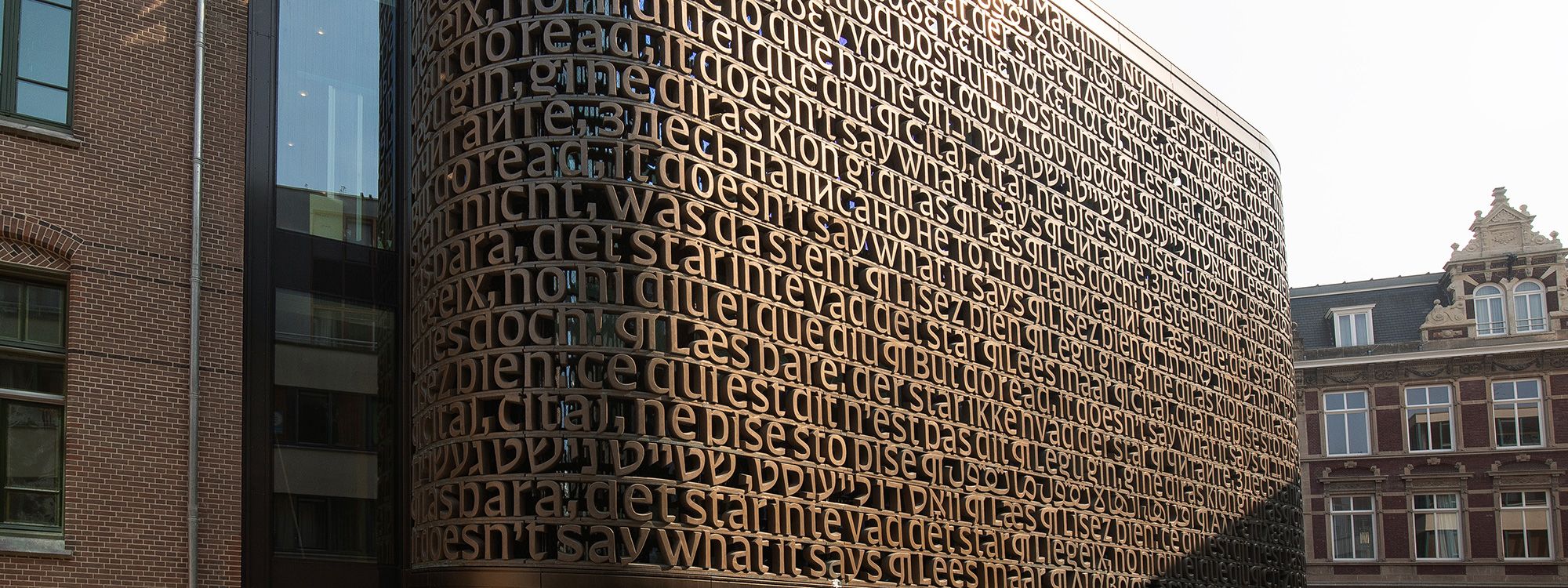
Languages at the UvA
At the University of Amsterdam you can study a range of over twenty modern languages and two classical languages. Learning a language is a valuable addition to your skillset. There are different ways in which you can do ...- Dual Master's

Nederlands als tweede taal en meertaligheid (Taalwetenschappen)
Doe zowel theoretische als praktische kennis op over het leren van Nederlands als tweede taal of tweede moedertaal, meertaligheid en geletterdheid.
People
A selection of our researchers working in the field of Empowering Language:
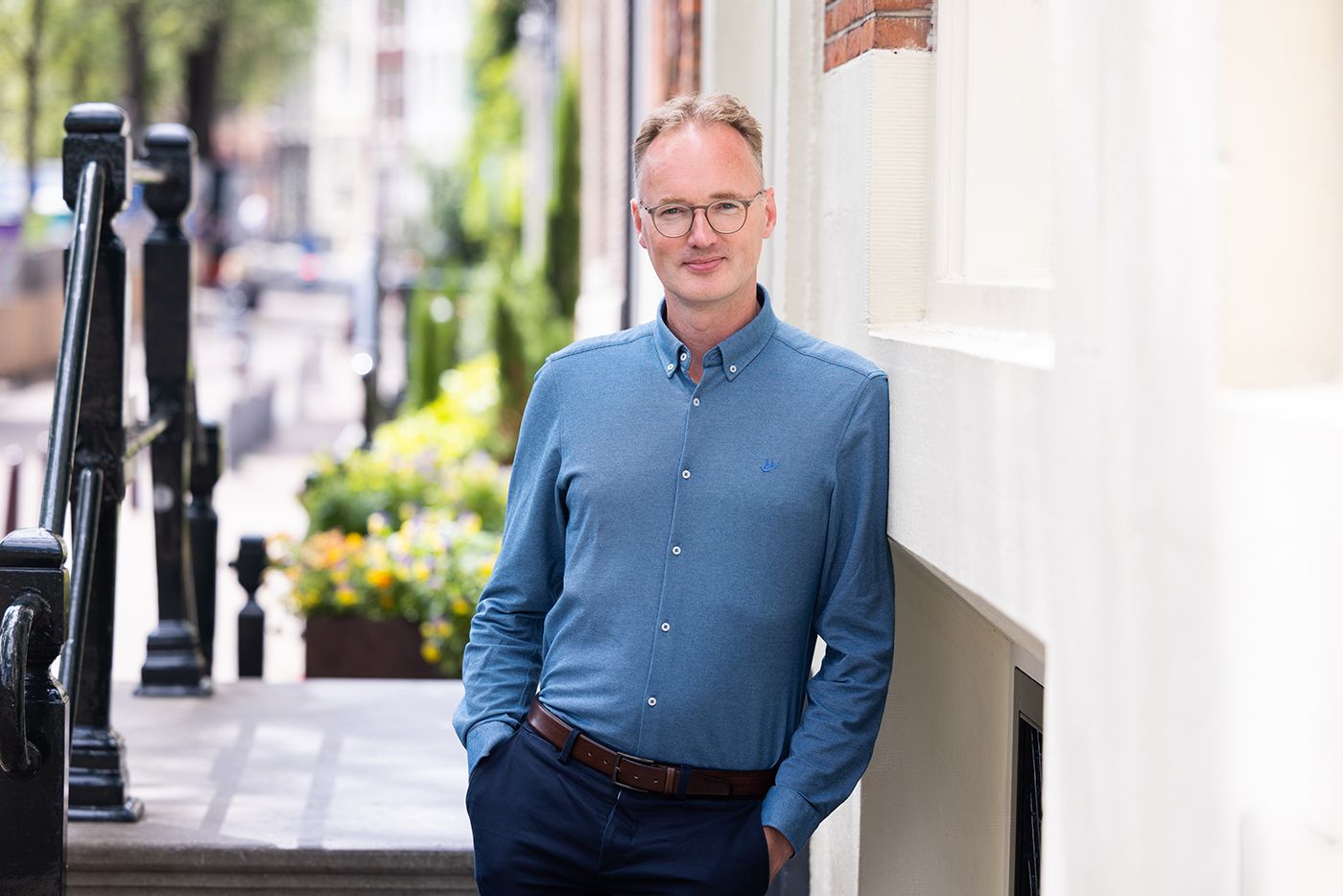
Sible Andringa (faculty lead)
Sible Andriga, Professor of Second-Language Pedagogy, is specialised in second language acquisition and bilingualism. He investigates the added value of explicit information and instruction for second language learning, how distributional features of the input affect language learning outcomes, and what role awareness plays in language learning trajectories.
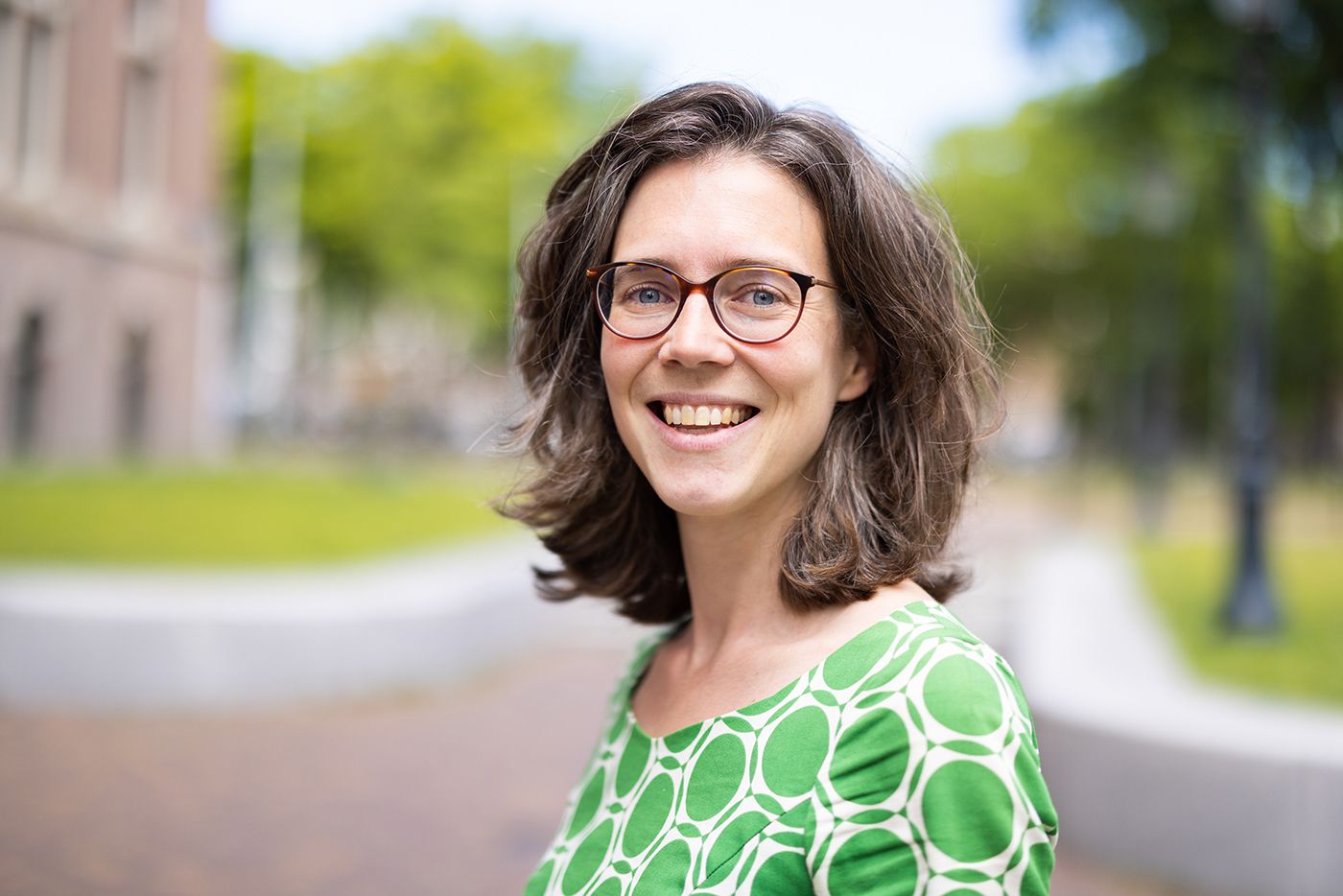
Feike Dietz
Feike Dietz (1984) is full professor in ‘Global Dynamics of Dutch Literature’ at the University of Amsterdam. Her research focuses on the relationship between early modern texts, knowledge and reading, with special attention for youth, women and girls.
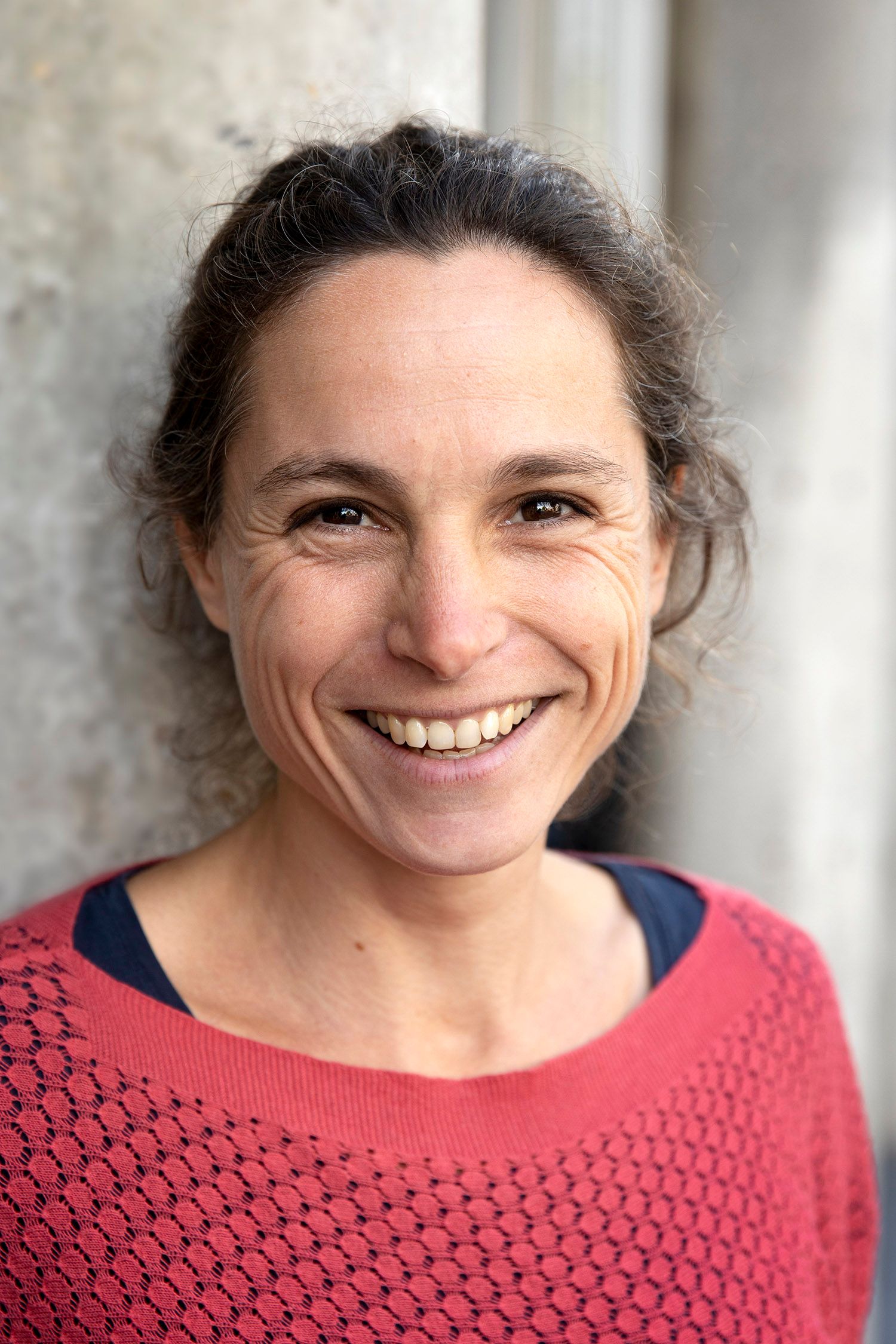
Eva van Lier
Eva van Lier is an associate professor of Linguistics. Her research focuses on morpho-syntactic functional typology, especially in the areas of word classes, argument structure, and dependent clauses.
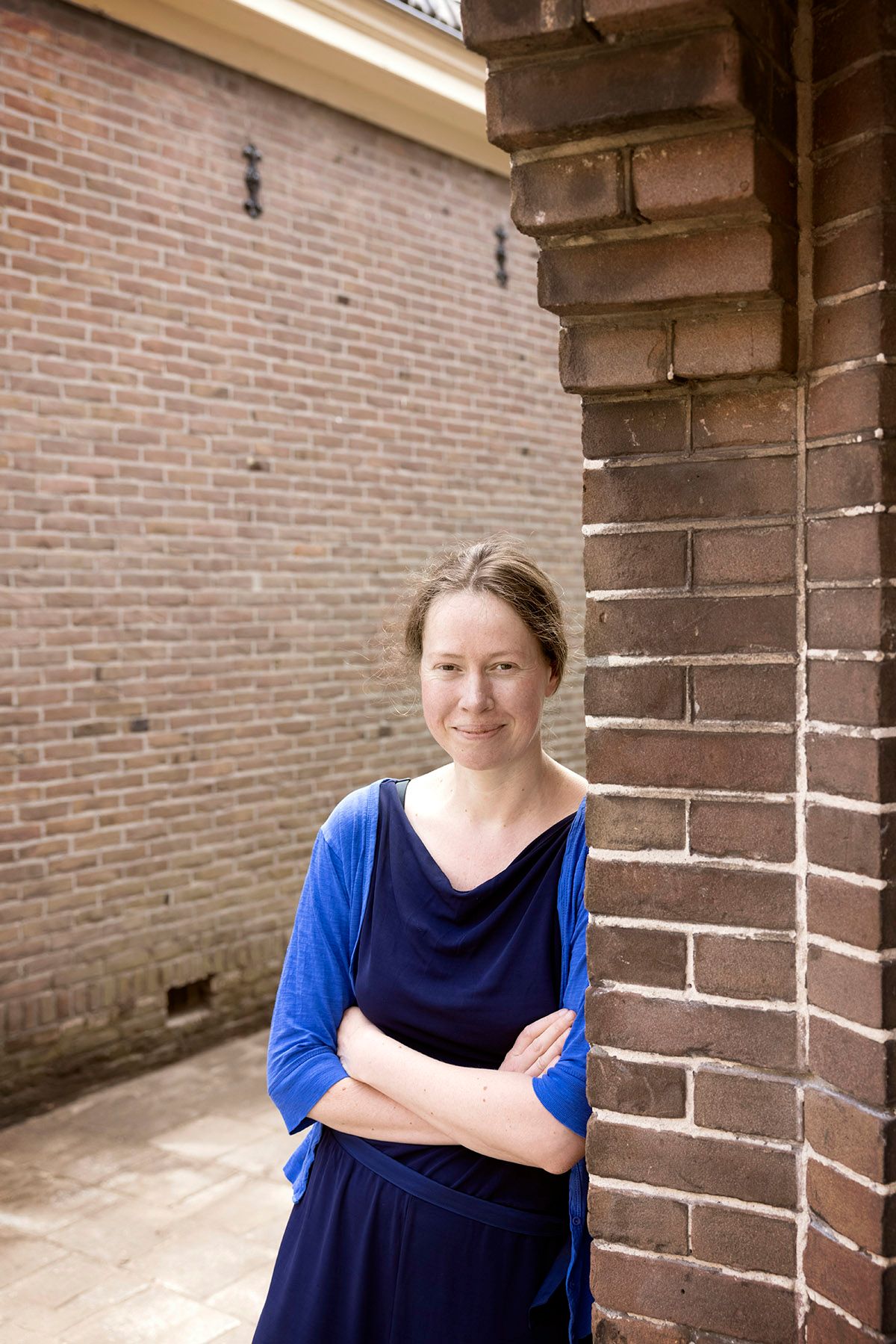
Josje Verhagen
Josje's research focuses on language acquisition and multilingualism. For Empowering Language, she is involved in various NWO-funded projects, including MultiCue and MetaLLL.
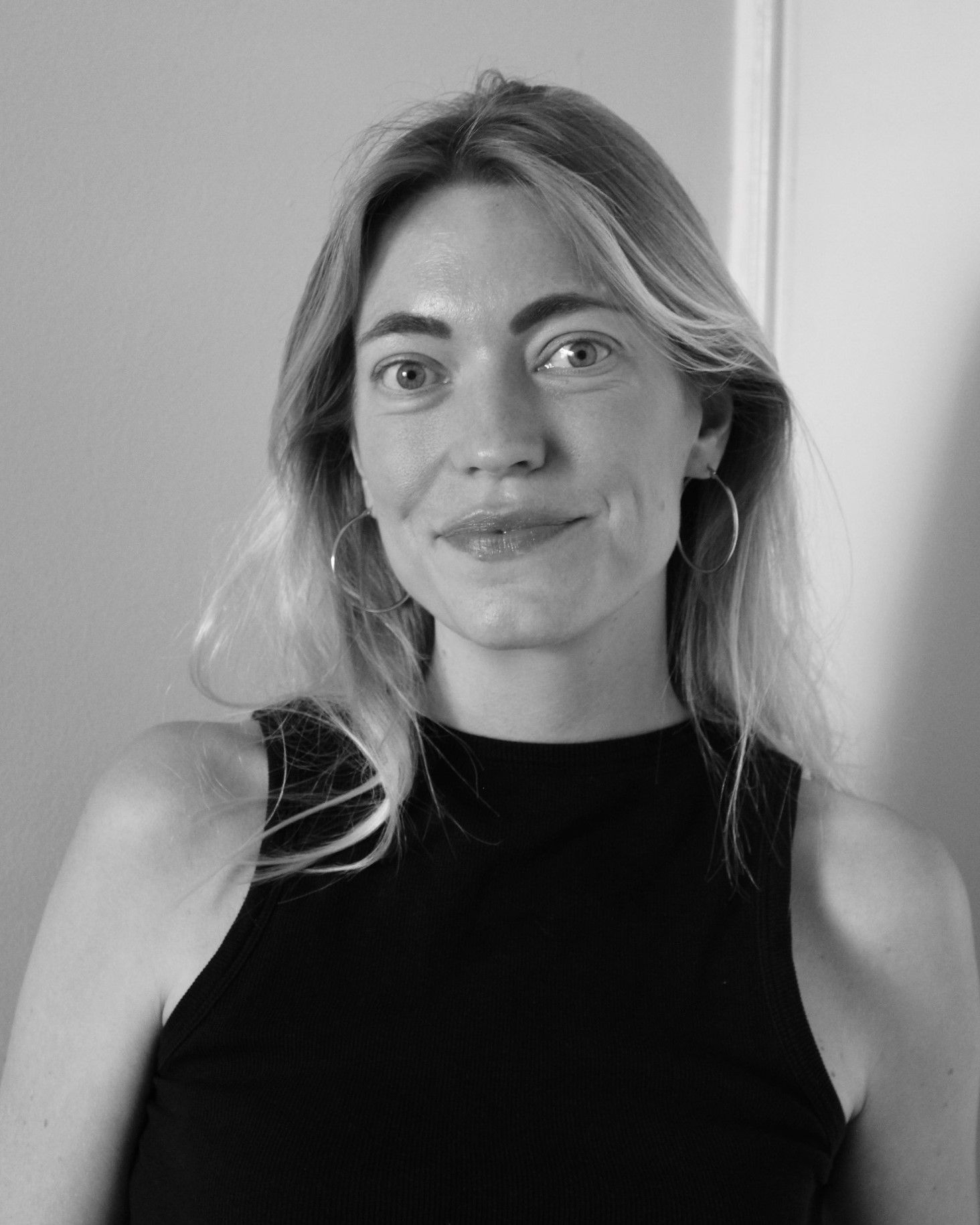
Aafje de Roest
Aafje de Roest is Assistant Professor in Literary Cultures in Multilingual and Hybrid Contexts. Her main research interests are in youth culture and contemporary literary culture. She is currently working on a project on the influence of Dutch fashion and lifestyle influencers on young women’s reading practices.
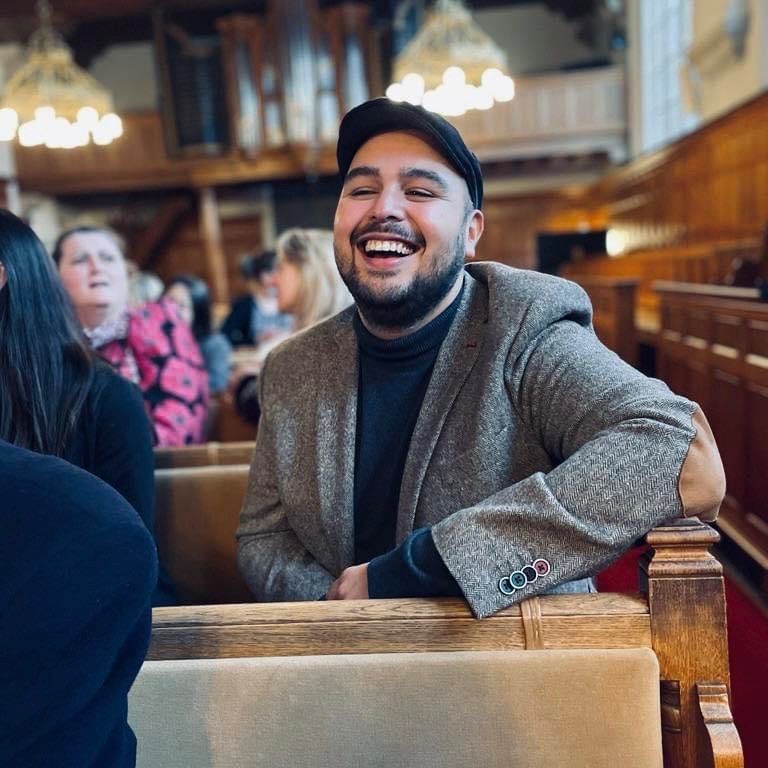
Tjalling Valdés Olmos
Tjalling Valdés Olmos is Assistant Professor of Global and Colonial Media Histories. His work analyses the globalisation of settler colonial imaginations by asking how genre - affectively, aesthetically, and historically - mediates the function of and resistance to settler colonialism.
Alice Fleerackers
Alice Fleerackers is Assistant Professor of Journalism and Civic Engagement in the Department of Media Studies. Her research examines the intersections of journalism, health and science communication, and scholarly communication.
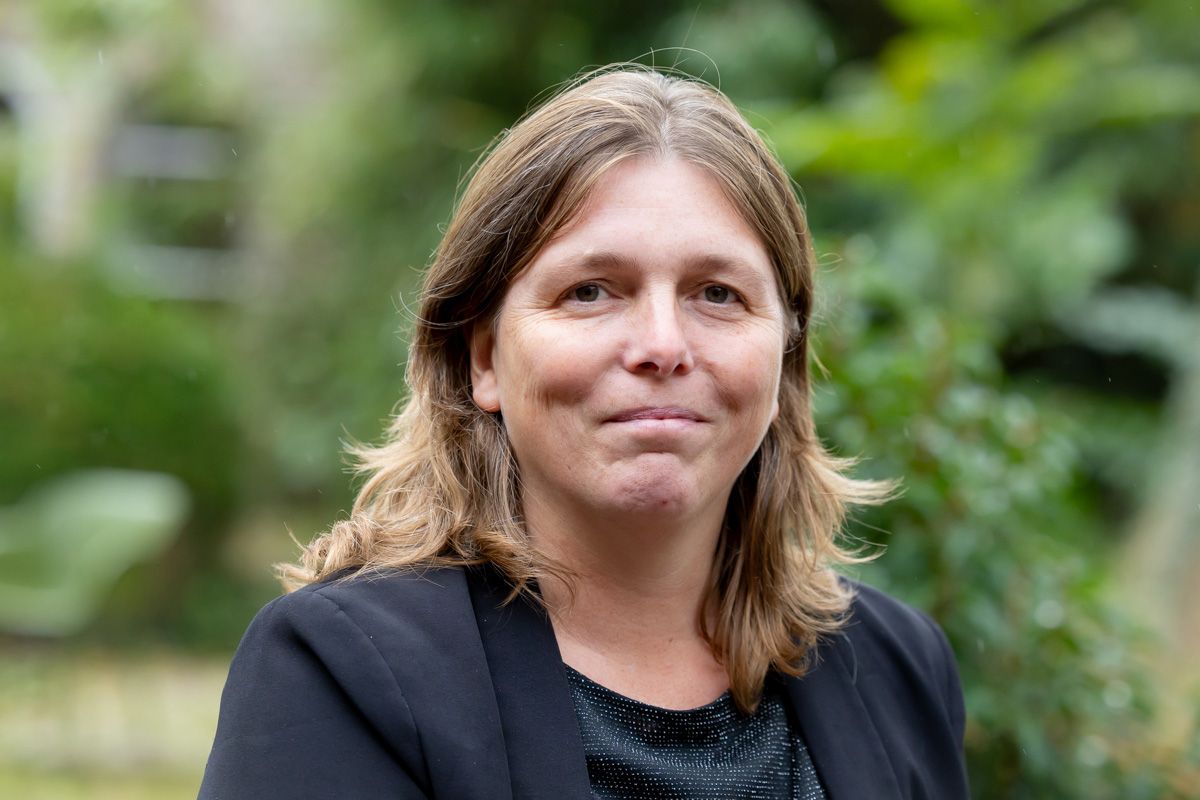
Kimberley Mulder
Other core themes
Go to overview
Human(e) AI
Powerful new AI applications promise to enhance productivity, enable novel forms of creativity, and save lives. However, it is also clear that they generate new problems and challenges. Most prominently, large AI models ...
Cultural Heritage and Identity
Cultural heritage shapes daily life, giving deeper meaning to the ordinary, providing a sense of temporality, and contributing to the existence of (sub) groups and individual identities.
Digital Citizenship
Digital technologies are fundamentally changing how we organise democratic governance and legal systems. Our digital and networked world offers innovative new tools and unprecedented access to information and democratic ...
Health Humanities
Creative approaches are necessary to manage the care needs of aging societies and to address rising rates of mental distress and chronic disease. The expertise of humanities researchers is especially useful for investiga...
Environment and Society
In the midst of a climate crisis, understanding how humans interact with the environment is more crucial than ever. Environment & Society connects research, education, and transdisciplinary collaboration to explore how t...