Environment and Society

In the midst of a climate crisis, understanding how humans interact with the environment is more crucial than ever. Environment & Society connects research, education, and transdisciplinary collaboration to explore how the relations between humans and the non-human world have evolved.
Environment & Society hosts monthly research seminars and reading group sessions. If you are interested in joining us, please fill out the form below to be added to our mailing list. In addition, we host workshops to discuss work in progress as well as public events.
Are you thinking of organising an event in the field of environmental humanities? Let us know! Send an email to Peter van Dam at p.h.vandam@uva.nl.
Environment & Society at the Faculty of Humanities
Environment and Society integrates research, teaching and collaborations with organisations outside academia to explore how the relations between humans and the non-human world have evolved. We connect researchers in the field of environmental humanities field, make their work visible and encourage new collaborations.
Focusing on themes like the politics of energy, food transitions, living with water, and knowing nature, we explore how these relations have been changed through governance and contestation. To promote interdisciplinary research, we host public lectures, research seminars, reading group sessions, and workshops.
In education, Environment & Society associates highlight the crucial role of the Humanities in tackling the climate crisis and introduces innovative teaching methods, such as experimental fieldwork, interdisciplinary collaboration and public-oriented teaching. We work with numerous partners outside academia to address the practical and philosophical challenges of creating a sustainable future.
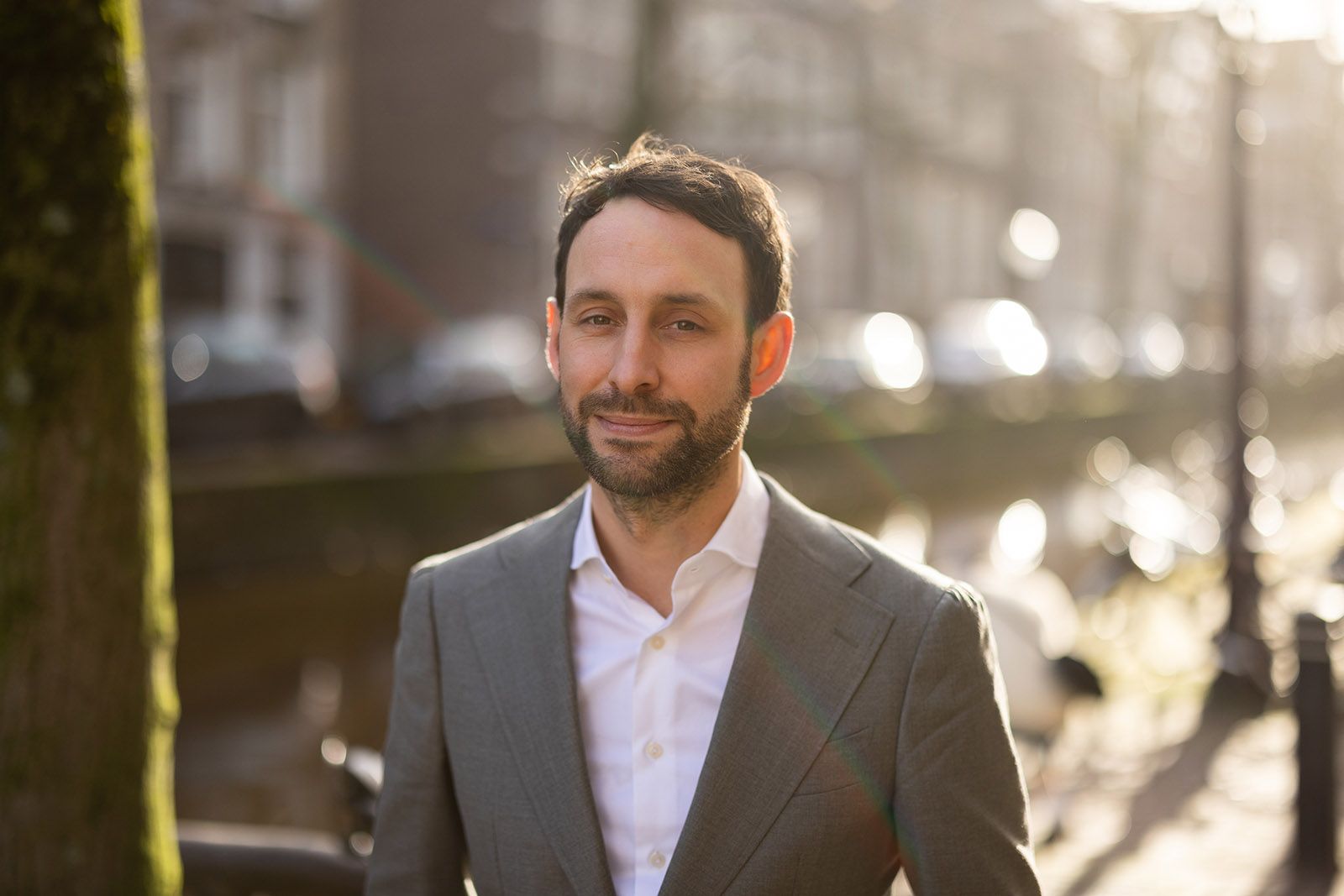
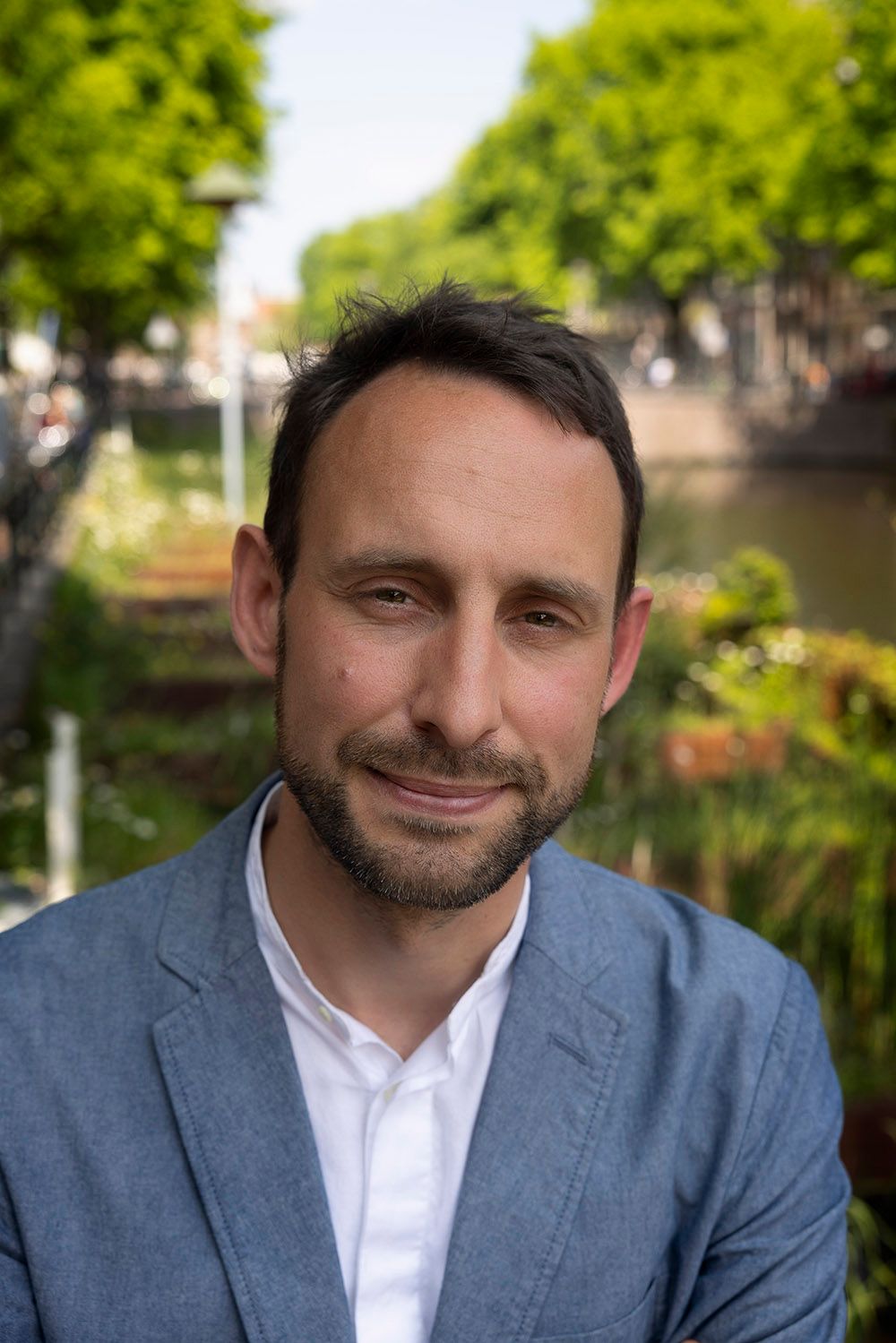
Peter van Dam
Peter van Dam is professor of Dutch History at the UvA and a founding member of SEVEN, the UvA’s climate institute. He researches the history of social initiative and activism and the history of historiography. His research focuses on how people tried to make the world more sustainable: What problems did they see? How did they translate their concerns and desires into social commitment?

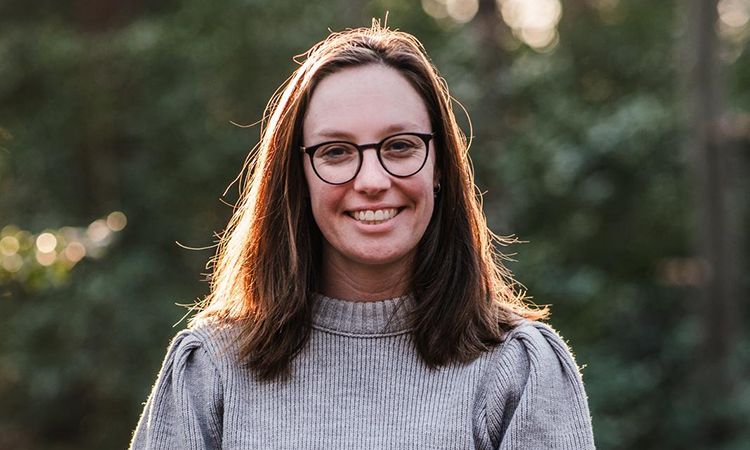
Gianamar Giovannetti-Singh
Gianamar Giovannetti-Singh is Assistant Professor of Colonial Environmental History and Decolonial Futures at the UvA. As a global historian of science, he seeks to understand how the interaction of different cultures of knowledge produced new sciences that circulated across the world.

Human(e) AI
Powerful new AI applications promise to enhance productivity, enable novel forms of creativity, and save lives. However, it is also clear that they generate new problems and challenges. Most prominently, large AI models ...
Cultural Heritage and Identity
Cultural heritage shapes daily life, giving deeper meaning to the ordinary, providing a sense of temporality, and contributing to the existence of (sub) groups and individual identities.
Digital Citizenship
Digital technologies are fundamentally changing how we organise democratic governance and legal systems. Our digital and networked world offers innovative new tools and unprecedented access to information and democratic ...
Empowering Language
Empowering Language unites language and literature researchers committed to building a society that fosters strong language and literacy skills and that allows people to express themselves, expand their horizons, learn a...
Health Humanities
Creative approaches are necessary to manage the care needs of aging societies and to address rising rates of mental distress and chronic disease. The expertise of humanities researchers is especially useful for investiga...