The Voice of Vibrant Matter: Eco-Polyphony in Ruth Ozeki’s 'A Tale for the Time Being'
Lecture by Claudia Dellacasa organized by Elio Baldi. Discussant: Jeff Diamanti. | co-hosted by the World Literature and the Environment group | Contact: Elena Menendez: elena.menendez@student.uva.nl for information/signing up/ readings
Event details from: The Voice of Vibrant Matter: Eco-Polyphony in Ruth Ozeki’s 'A Tale for the Time Being'
- Date
- 3 November 2023
- Time
- 11:00
- Room
- PCH 5.02
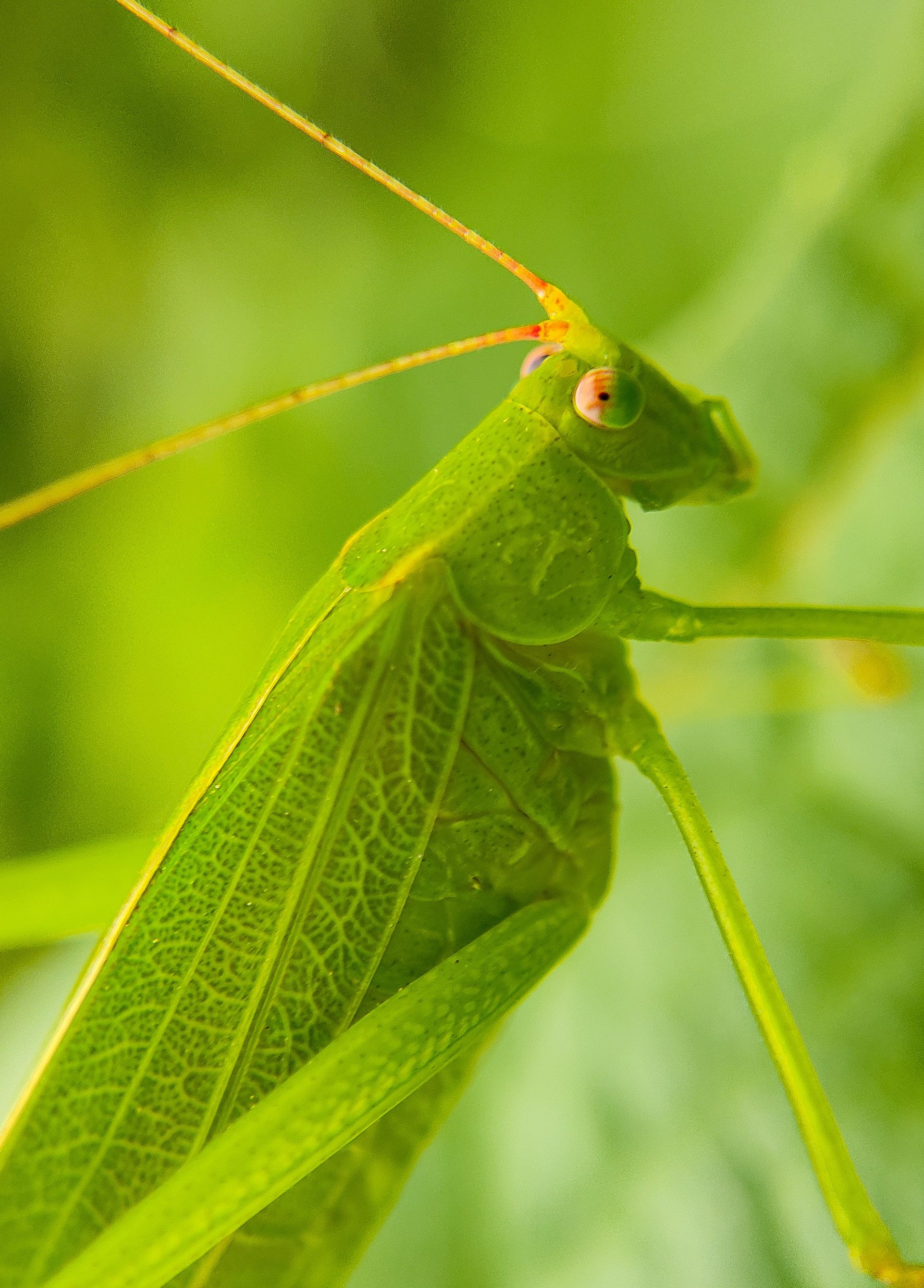
By reading Ruth Ozeki’s A Tale for the Time Being (2013) through the lenses of Jane Bennett’s vital materialism, this talk investigates the post-anthropocentric potential of pivoting towards an eco-polyphony that is receptive to the communicative capacities of both organic and inorganic matter. The core argument is that the agency and interconnection of human and nonhuman entities, which underpins a Latourian ontology of plurality, emerge most effectively when we are able to establish comparable patterns of expression between the human and the nonhuman. The multifarious forms of matter, for example, can be read in continuity with the forms through which matter is described in Ozeki’s book; similarly, the movement of matter can be apprehended in a more nuanced and penetrating manner as it is simultaneously described and embodied by Ozeki’s undulating narrative rhythm. The interaction and entanglement of different bodies – key concepts in both quantum physics and Buddhism, which both inform Ozeki’s work – are finally individuated in the novel’s content, as well as in its play with heterogeneous graphic units. The horizontal, non-logocentric approach to signs adopted in this talk aims to defuse the power structures intrinsic to anthropocentric dynamics, engendering in the process a more profoundly ecological sensibility, which is related to an ever-expanding sense of the range of beings in existence. It is in this sense that Ozeki’s work and the eco-polyphonic criticism deployed in its reading are both conceived as mediations upon the various dimensions of the central theme of global responsibility.
Claudia Dellacasa is Irish Research Council Government of Ireland Postdoctoral Fellow in the School of English, Drama and Film at University College Dublin (IE), where she is working on an environmental humanities project titled ‘Intersectional Eco-Polyphony’. Before coming to Dublin, she taught modules on ecocriticism and post-humanism at the University of Tübingen (DE) and at Augsburg University (DE). She obtained her PhD at Durham University (UK), with a project on the contact between Italian author Italo Calvino and Japanese culture in the late 1970s, which was awarded the British-Italian Society Postgraduate Prize in 2021. Among her journal articles there are ‘Calvino and Japanese Gardens: A “Trajectivity” between the Human and Other-than-Human’ (Italian Studies, 78.2, 2023, forthcoming); ‘Zen as Everyday Praxis: A Way Out of Italo Calvino’s Neurosis’ (Journal of Romance Studies, 22.1, 2022, 1–28); ‘Troubled Religiousness in La cognizione del dolore by Carlo Emilio Gadda’ (MLR, 115.4, 2020, 834–51); and ‘La lingua degli alberi’ (Bollettino di italianistica, XVI.1, 2019, 127–39). Her monograph, Italo Calvino and Japan, is currently under review with Legenda. Claudia has also been postgraduate editor of the peer-reviewed journal MHRA Working Papers in the Humanities, co-founder of Notes in Italian Studies, and is currently editing a special issue of The Italianist titled ‘Cross-Cultural Approaches to Italian Ecocriticism’.
co-hosted by the World Literature and the Environment group | Contact: Elena Menendez: elena.menendez@student.uva.nl for information/signing up/ readings