Cardiac Realism: The Affective Life of the Modern Novel
English Department Lecture by Dr. Doug Battersby | Thursday November 2nd at 17:00-18.30, P.C. Hoofthuis 5.59, Spuistraat 134.
Event details from: Cardiac Realism: The Affective Life of the Modern Novel
- Date
- 30 November 2023
- Time
- 17:00 – 18:30
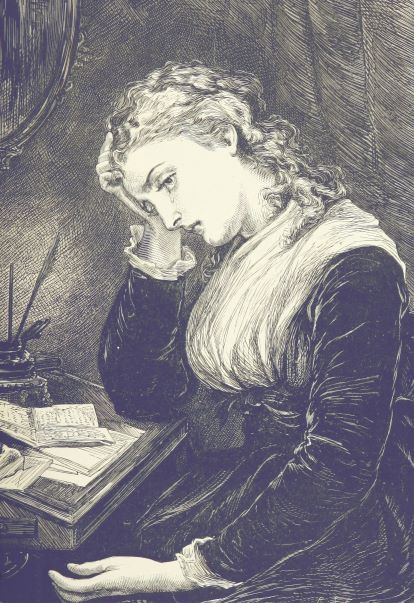
This talk spotlights a tradition of English novelists writing from the 1840s to the 1920s who each turn to the heart to grapple with one of the great philosophical challenges of the novel form: how to put the physicality of feeling into words? It argues that Charlotte Brontë, Thomas Hardy, May Sinclair, and D. H. Lawrence represent an alternative genealogy of the modern novel that stands aslant from our received narratives about the evolution of nineteenth century realism into early twentieth century modernism. Impelled by a realist commitment to matching styles of description to the actualities of human experience, these novelists objected to the excessively cerebral representations of life they encountered in the works of their more celebrated peers, from Brontë’s famous critique of Jane Austen for neglecting “the Feelings” and “the Passions” that animate the heart —“what throbs fast and full, […] what the blood rushes through”— to Lawrence’s curt dismissal of James Joyce’s Ulysses (1922) as “too mental” a novel. How might our histories of realism and modernism look different if we foreground, not the familiar techniques for dramatising conscious introspection and ethical deliberation that define the achievement of Henry James and his heirs, but more corporeal strategies of affective description? Pairing two modernist novelists with the Victorian predecessors who profoundly influenced them, this paper sketches a lineage of the modern novel that places bodily affect at the centre of its philosophies of experience.